Feb 20, 2026
On-Grid vs Off-Grid Solar: Choosing the Right System
Learn the key differences between on-grid, off-grid, and hybrid solar systems in the Northern Territory. Discover which system is best for your property, energy needs, and sustainability goals.
Blog
Blog
Solar
Understanding the differences between on-grid, off-grid, and hybrid solar systems
Choosing the right solar energy system is crucial to getting the most out of your investment. In the Northern Territory, where energy needs vary from urban homes to remote properties, understanding the differences between on-grid, off-grid, and hybrid solar systems can help you make an informed decision
On-Grid Solar Systems
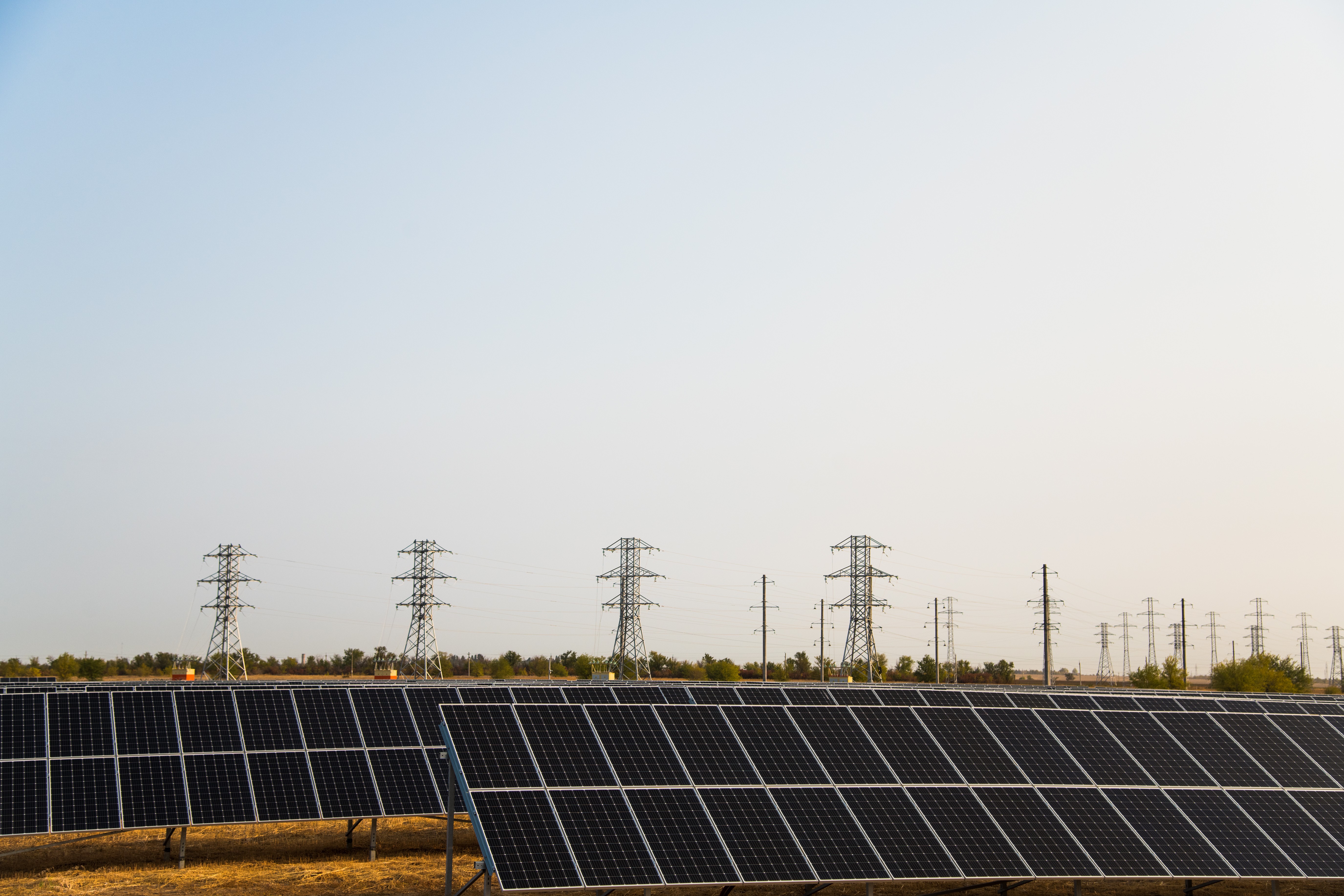
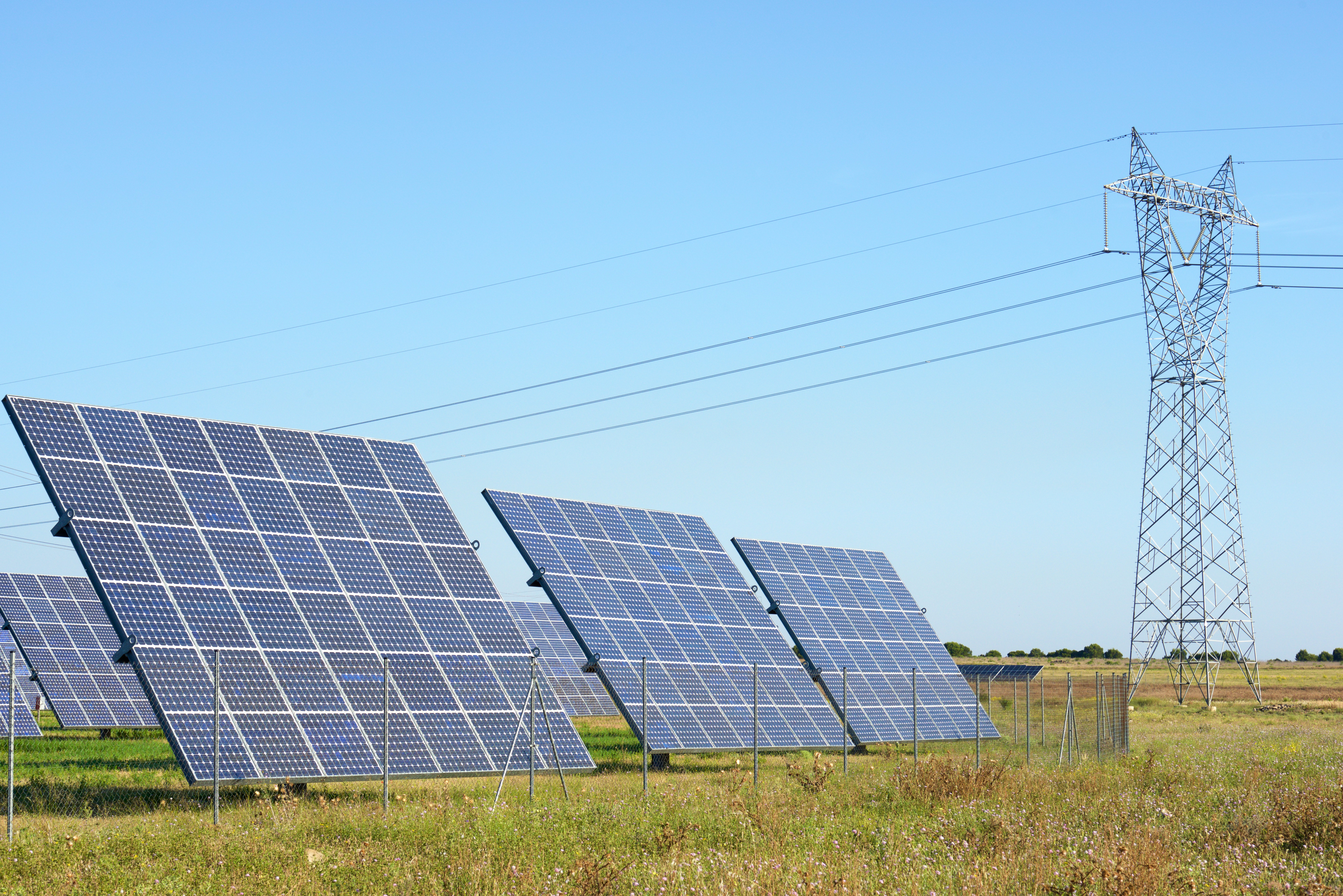
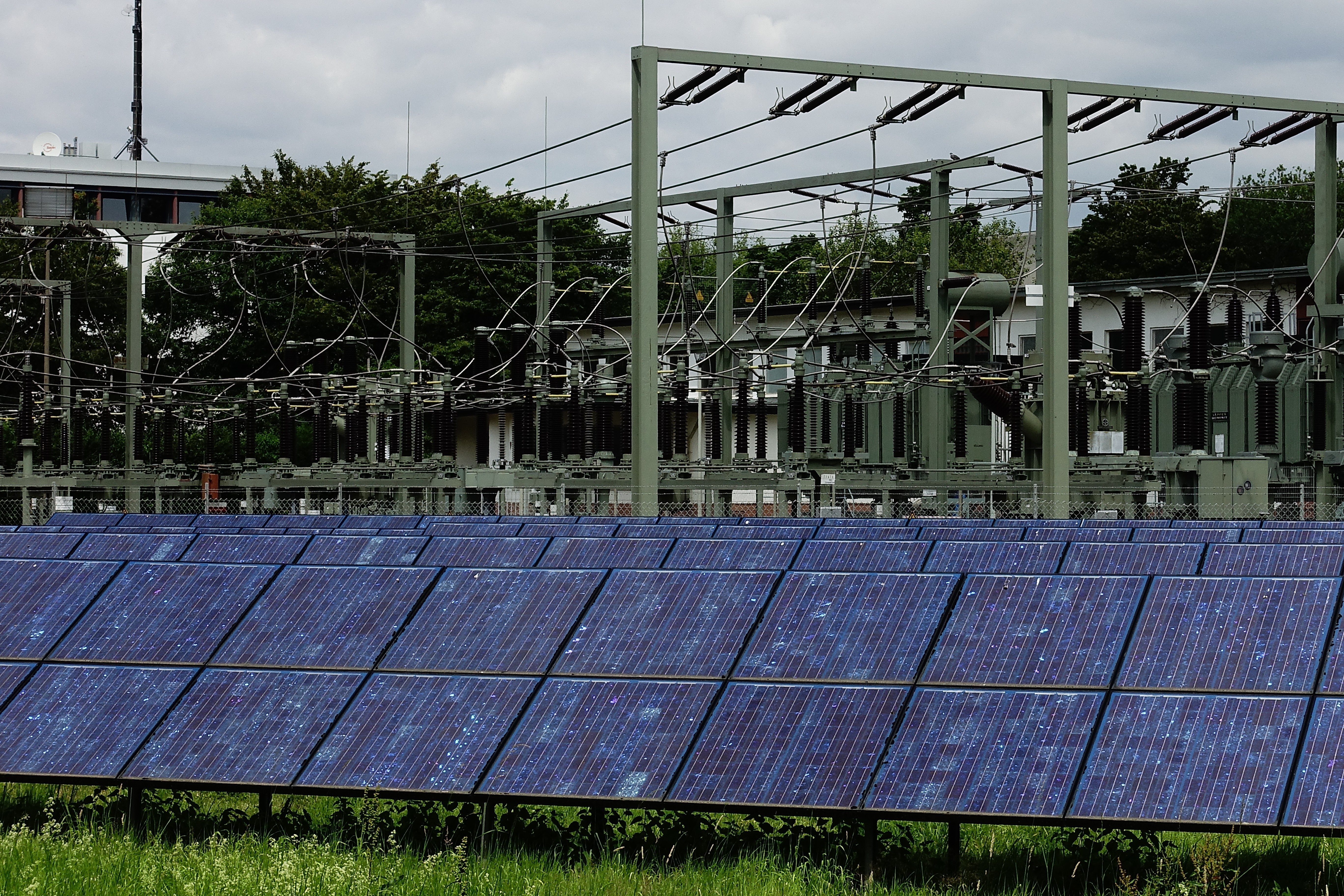
On-grid solar systems are connected directly to the electricity network. This setup allows excess energy to be exported to the grid, potentially earning credits or reducing electricity bills through net metering. On-grid systems are ideal for homes and businesses in urban areas where reliable grid access exists.
Benefits:
Lower upfront costs compared to off-grid systems
Ability to sell excess energy back to the grid
Minimal maintenance requirements
Off-Grid Solar Systems
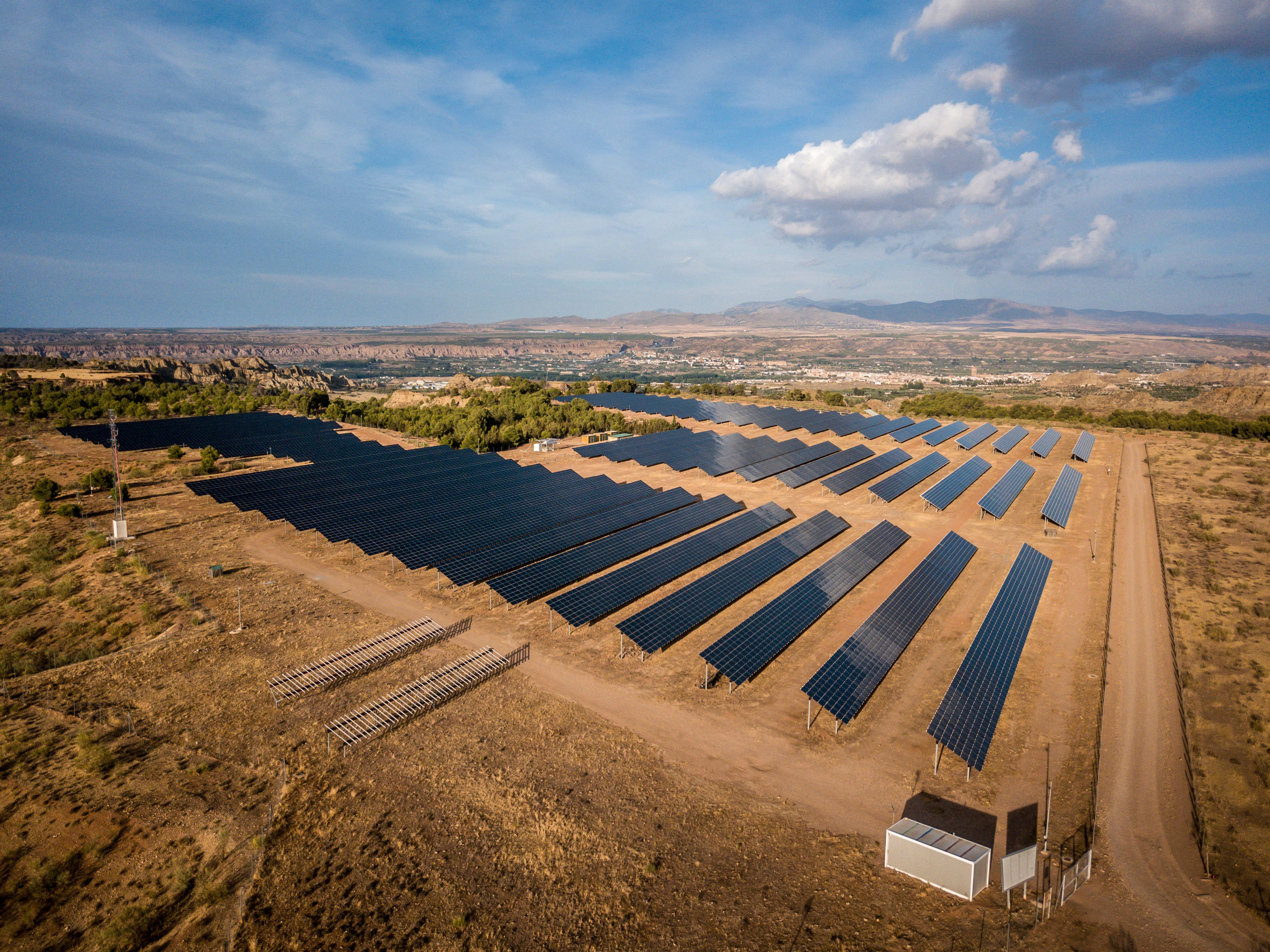
Off-grid systems operate independently of the electricity network, making them ideal for remote locations or properties with unreliable grid access. These systems rely heavily on battery storage to provide energy when sunlight is not available.
Benefits:
Complete energy independence
Reliable power for remote areas
Reduces reliance on fossil fuels
Hybrid Solar Systems
Hybrid systems combine the best of both on-grid and off-grid setups. They allow properties to use stored energy from batteries while remaining connected to the grid for backup power. This flexibility makes hybrid systems an excellent choice for businesses and homes with varying energy demands.
Benefits:
Energy security with battery storage
Potential cost savings on electricity
Optimized use of renewable energy

FAQ
01
What services does Smart Energy NT provide?
02
Do you install solar systems or provide consultancy?
03
What is the difference between on-grid, off-grid, and hybrid solar systems?
04
How can battery storage benefit my property?
05
Can Smart Energy NT help with EV charging infrastructure?
06
Are renewable energy systems suitable for businesses in the Northern Territory?
07
How does Smart Energy NT support sustainability and ESG goals?
08
How can I get started with Smart Energy NT?
Feb 20, 2026
On-Grid vs Off-Grid Solar: Choosing the Right System
Learn the key differences between on-grid, off-grid, and hybrid solar systems in the Northern Territory. Discover which system is best for your property, energy needs, and sustainability goals.
Blog
Blog
Solar
Understanding the differences between on-grid, off-grid, and hybrid solar systems
Choosing the right solar energy system is crucial to getting the most out of your investment. In the Northern Territory, where energy needs vary from urban homes to remote properties, understanding the differences between on-grid, off-grid, and hybrid solar systems can help you make an informed decision
On-Grid Solar Systems
On-grid solar systems are connected directly to the electricity network. This setup allows excess energy to be exported to the grid, potentially earning credits or reducing electricity bills through net metering. On-grid systems are ideal for homes and businesses in urban areas where reliable grid access exists.
Benefits:
Lower upfront costs compared to off-grid systems
Ability to sell excess energy back to the grid
Minimal maintenance requirements
Off-Grid Solar Systems
Off-grid systems operate independently of the electricity network, making them ideal for remote locations or properties with unreliable grid access. These systems rely heavily on battery storage to provide energy when sunlight is not available.
Benefits:
Complete energy independence
Reliable power for remote areas
Reduces reliance on fossil fuels
Hybrid Solar Systems
Hybrid systems combine the best of both on-grid and off-grid setups. They allow properties to use stored energy from batteries while remaining connected to the grid for backup power. This flexibility makes hybrid systems an excellent choice for businesses and homes with varying energy demands.
Benefits:
Energy security with battery storage
Potential cost savings on electricity
Optimized use of renewable energy
FAQ
01
What services does Smart Energy NT provide?
02
Do you install solar systems or provide consultancy?
03
What is the difference between on-grid, off-grid, and hybrid solar systems?
04
How can battery storage benefit my property?
05
Can Smart Energy NT help with EV charging infrastructure?
06
Are renewable energy systems suitable for businesses in the Northern Territory?
07
How does Smart Energy NT support sustainability and ESG goals?
08
How can I get started with Smart Energy NT?
Feb 20, 2026
On-Grid vs Off-Grid Solar: Choosing the Right System
Learn the key differences between on-grid, off-grid, and hybrid solar systems in the Northern Territory. Discover which system is best for your property, energy needs, and sustainability goals.
Blog
Blog
Solar
Understanding the differences between on-grid, off-grid, and hybrid solar systems
Choosing the right solar energy system is crucial to getting the most out of your investment. In the Northern Territory, where energy needs vary from urban homes to remote properties, understanding the differences between on-grid, off-grid, and hybrid solar systems can help you make an informed decision
On-Grid Solar Systems
On-grid solar systems are connected directly to the electricity network. This setup allows excess energy to be exported to the grid, potentially earning credits or reducing electricity bills through net metering. On-grid systems are ideal for homes and businesses in urban areas where reliable grid access exists.
Benefits:
Lower upfront costs compared to off-grid systems
Ability to sell excess energy back to the grid
Minimal maintenance requirements
Off-Grid Solar Systems
Off-grid systems operate independently of the electricity network, making them ideal for remote locations or properties with unreliable grid access. These systems rely heavily on battery storage to provide energy when sunlight is not available.
Benefits:
Complete energy independence
Reliable power for remote areas
Reduces reliance on fossil fuels
Hybrid Solar Systems
Hybrid systems combine the best of both on-grid and off-grid setups. They allow properties to use stored energy from batteries while remaining connected to the grid for backup power. This flexibility makes hybrid systems an excellent choice for businesses and homes with varying energy demands.
Benefits:
Energy security with battery storage
Potential cost savings on electricity
Optimized use of renewable energy
FAQ
What services does Smart Energy NT provide?
Do you install solar systems or provide consultancy?
What is the difference between on-grid, off-grid, and hybrid solar systems?
How can battery storage benefit my property?
Can Smart Energy NT help with EV charging infrastructure?
Are renewable energy systems suitable for businesses in the Northern Territory?
How does Smart Energy NT support sustainability and ESG goals?
How can I get started with Smart Energy NT?